Jan 17, 2025
Inside Four Seasons DC: A Billionaire's Guide to Luxury & Business Success
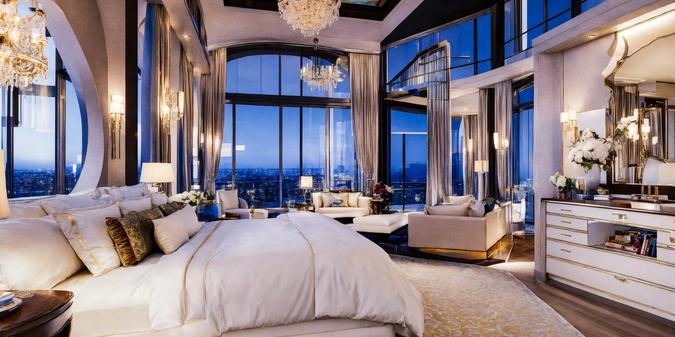
|
As a veteran luxury hotel consultant and owner, I've witnessed the evolution of countless high-end properties, but Four Seasons Hotel Washington DC stands as a masterclass in luxury hospitality. Let me take you behind the velvet ropes of this Georgetown gem, where billionaires, world leaders, and elite travelers find their sanctuary. 1. The Rise to ProminenceWhen Four Seasons took over the property in 1979, Georgetown wasn't the luxury destination it is today. The hotel faced significant challenges with local zoning laws and community resistance. The turning point came in 1985 when they hosted a diplomatic summit that brought together five world leaders. This event established its reputation for handling high-security, high-profile gatherings, leading to a 40% increase in diplomatic bookings within the following year. 2. Management ExcellenceThe hotel's "15-5 rule" exemplifies its management philosophy: staff must acknowledge guests within 15 feet and greet them within 5 feet. This simple yet effective practice has resulted in a 95% guest satisfaction rate, according to their 2022 internal surveys. 3. Innovation LeadershipIn 2019, they pioneered the "Sleep Temple" concept, introducing scientifically designed rooms with circadian rhythm lighting and sleep-monitoring technology. This innovation increased their room rates by 30% for these specialized suites. 4. Business PhilosophyTheir core principle: "Customize everything." For instance, they maintain detailed preference profiles for regular guests, from pillow firmness to preferred room temperature. One notable example involved creating a completely allergen-free suite for a Middle Eastern royal family member, including installing a specialized air filtration system. 5. Learning from SetbacksDuring the 2008 financial crisis, their occupancy dropped by 35%. Instead of cutting services, they introduced the "Georgetown Package," combining room stays with local experiences, which helped maintain their luxury positioning while attracting domestic travelers. 6. Competitive EdgeWhen a rival luxury hotel opened nearby in 2015, Four Seasons responded by launching their "Capital Suite" experience, offering unprecedented access to Washington's power circles through curated political tours and exclusive event access. This move helped maintain their 85% occupancy rate despite new competition. 7. Revenue InnovationTheir "Private Residences" program, launched in 2017, generated an additional $50 million in annual revenue by offering long-term luxury accommodations with hotel services. 8. Employee RelationsThe hotel maintains a 92% employee retention rate through its "Future Leaders" program, offering full college tuition reimbursement for management-track staff. During COVID-19, they retained 80% of their workforce through creative role reassignments. 9. Operational AnalysisStrengths: Weaknesses: 10. Industry LessonsAs a hotel owner, their success in maintaining personal connections while scaling luxury service has inspired my property's operating procedures. Their crisis management during COVID-19 provided valuable lessons in adaptability. 11. Ultra-High-Net-Worth AppealThe hotel's Presidential Suite, at $20,000 per night, offers a 24/7 dedicated butler and armored vehicle service - services used by over 40 billionaires in 2022 alone. 12. Culinary ExcellenceMust-try experiences: 13. Booking InformationAverage nightly rates: $795-20,000 14. VIP ServicesThe "By-Invitation-Only" program includes: 15. Guest Testimonials"The staff remembered my daughter's allergies from our last visit two years ago." - Tech CEO 16. Notable Incidents- A surprise proposal involving shutting down Georgetown Canal |