Last Updated: May 07, 2025
What Not to Do After a Breakup: 14 Habits That Slow Healing
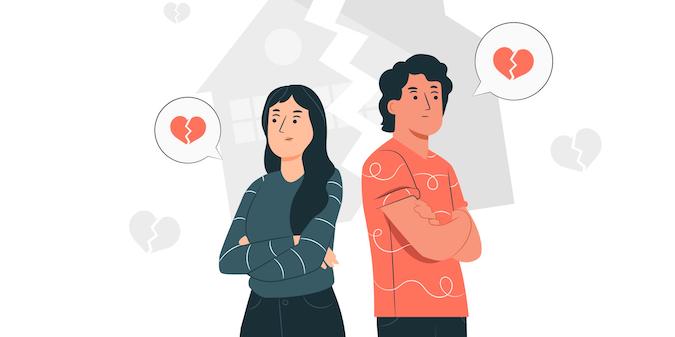
|
Breaking up feels a bit like spinning off a high-speed carousel—you’re dizzy, disoriented, and everything that was familiar now rushes past in a blur. In those first raw weeks, advice pours in from every corner: cut your hair, download five dating apps, tear up old photos, “glow up,” “bounce back.” Some tips help; many merely distract. What matters most is avoiding the reflexes that grind healing to a halt or set new problems in motion. Below are habits, temptations, and knee-jerk impulses worth doBreakupdging so that the next season of your life can unfold with clarity rather than collateral damage. 1. Hitting the Emotional Fast-Forward ButtonPain hurts; that’s its job. Yet many of us try to sprint through it, tossing memorabilia into garbage bags and pretending months—or years—can be erased in a weekend. Grief that’s forced underground doesn’t disappear; it simply tunnels elsewhere, resurfacing as migraines, insomnia, or irritability. Give memories their due. Keep the box of concert stubs in the back of a closet if you must, but don’t torch your shared history just to prove you’re “over it.” Slow processing is not weakness; it’s maintenance of the self you’ll still inhabit tomorrow. 2. Turning Heartbreak Into Self-IndictmentThe mind loves to craft courtroom dramas in which you play both prosecutor and defendant: “I drove him away,” “I should have been less intense,” “I ruined everything.” This blame loop feels productive because it offers a tidy cause-and-effect narrative, but it’s actually a trap. Relationships fail for layered reasons, many outside unilateral control. Swap interrogation for inquiry: What patterns do I notice in my dating life? What do I value that wasn’t honored? That shift from judgment to curiosity transforms regret into material for growth. 3. Broadcasting the Saga on Social MediaPosting cryptic lyrics, rage-tweeting at 2 a.m., scouring your ex’s followers—digital stages magnify heartache. The dopamine hit of sympathy hearts quickly melts, leaving a residue of exposure that can haunt future you (and your professional life). Draft the angry caption in Notes, not Instagram. Share feelings with a confidant who has earned front-row seats to your vulnerability, not with the algorithm that indexes it forever. 4. Jumping Into a Placeholder RomanceA rebound can masquerade as empowerment: “Look, I’m desirable, my ex was a fool!” Yet using someone else’s affection as an anesthetic transfers unprocessed grief into a fresh storyline. The new partner senses the ghost in the room, trust erodes, and you risk wounding both parties. Absence is uncomfortable, but letting the space between relationships breathe protects the integrity of whoever arrives next. 5. Retreating Into Total IsolationSolitude heals; isolation inflames. Cancelling every plan, ignoring texts for weeks, and marinating in Netflix can morph into depression disguised as “me time.” Pick a modest social rhythm: coffee with a sibling, a 30-minute walk with a neighbor, a weekly book-club Zoom. Small anchors create a scaffold for wellbeing without forcing a smiley public facade. 6. Re-Editing the Past Into a Comic-Book NarrativeAfter a breakup, it’s tempting to cast your ex as a villain or yourself as a perpetual martyr—anything to make sense of chaos. Extremes feel simpler than nuance, but they distort reality and block balanced closure. Try journaling scenes where both of you shone and where both stumbled. Complexity honors the full story and prevents future partners from wearing costumes designed for characters who only exist in hindsight. 7. Treating the Body as an AfterthoughtHeartbreak often derails sleep, appetite, and exercise. Skipping breakfast to scroll old texts or powering through nights on caffeine builds a physiological debt that magnifies sadness. Choose practices that re-anchor you in the physical world: cook a colorful stir-fry, stretch before bed, or stand outside for five deep breaths. Caring for your body is not indulgent—it’s the prerequisite for emotional resilience. 8. Drowning Feelings in Retail Therapy or Revenge SpendingThere’s a seductive rush in upgrading every gadget or booking a five-star vacation under the banner of “new chapter.” Unfortunately, maxed-out credit cards outlive adrenaline. Before tapping “Add to Cart,” ask whether the purchase solves a real problem or simply sedates a feeling. Comfort can be found in library books, potluck dinners, or rearranging furniture—experiences that cost little but restore agency. 9. Mistaking Mixed Signals for Reunion Prophecies“You online at midnight?” “Thought you’d like this meme.” A handful of texts does not constitute a roadmap back together. Hanging on every emoji keeps you orbiting the breakup rather than exiting its atmosphere. If contact muddles healing, mute notifications or set explicit boundaries: “Appreciate the check-in, but I need no-contact for a while to move forward.” Clarity frees both parties to calibrate expectations. 10. Downplaying the Value of Professional HelpFriends listen; therapists untangle. When sleeping patterns crash or anxiety spikes, outside guidance is not overkill—it’s upkeep. A counselor offers perspective untainted by loyalty to either side. Even a short-term stint can equip you with cognitive tools and rituals to manage rumination. If formal therapy isn’t accessible, consider low-cost group sessions or helplines; expertise shouldn’t feel like a luxury. 11. Weaponizing Mutual FriendshipsTelling friends to choose sides or relaying gossip through shared circles turns community into a battlefield. The fallout can shrink your social ecosystem just when you need it most. Instead, grant allies permission to remain neutral (“I know you care about us both, and that’s okay”) and confide private details selectively. A respectful truce keeps birthday parties and game nights from becoming awkward diplomatic summits. 12. Using Work as a Distraction Until It Becomes a Drug“Productivity is therapy,” you might declare while accepting every shift or volunteering for extra projects. Structure helps, but perpetual busyness can smother self-reflection. Burnout then ambushes you months later, multiplying distress. Safeguard renewal: calendar lunches away from your desk, decline non-essential overtime, and allow emotions to surface without a spreadsheet in front of them. 13. Comparing Your Timeline to Everybody Else’sYour cousin met someone new in three weeks. Your coworker married her college sweetheart after a brief split. None of these narratives dictate yours. Healing isn’t a race with a medal ceremony; it’s a hike with unpredictable weather. Measure progress internally: Can I sleep without replaying arguments? Do I laugh spontaneously again? These markers respect personal pace over external milestones. 14. Interpreting Separation as Proof of Personal FailureRomances end for infinite reasons: timing, incompatible visions, mental health challenges, geography, unspoken resentments. To label the entire experience a failure overlooks the seasons of growth, tenderness, and discovery it likely contained. Reframing the relationship as a completed chapter rather than a collapsed building keeps your sense of worth intact and primes you for wisdom, not cynicism. Conclusion: Let the Quiet Teach YouAfter the smoke clears, silence descends—no shared playlists echoing through the apartment, no texts about dinner, no hand brushing yours during late-night drives. That quiet can terrify, but it is also instructional. In stillness you learn what steady pleasures remain: the aroma of brewing coffee, the confidence of nailing a difficult yoga pose, the way sunrise glints off city windows. Avoiding the pitfalls above doesn’t guarantee linear progress; mending is rarely tidy. Yet by steering clear of frantic overcorrections—scorched-earth deletions, rebound romances, public meltdowns—you carve out a gentler landscape in which sorrow can stretch, yawn, and eventually wander off. In its place will be a sturdier self who knows how to love—and lose—without abandoning inner equilibrium. That poise, earned in solitude, will accompany you long after the carousel begins to spin again. |