The Rise of Midwest Culinary Excellence
The transformation of St. Louis's fine dining scene reads like a masterclass in business innovation. Take Gerard Craft's Niche restaurant, for example. On a crisp autumn morning in 2019, Craft made a bold decision that would reshape his business model. Instead of importing exotic ingredients from across the globe, he committed to sourcing 90% of his ingredients from within a 200-mile radius of St. Louis.
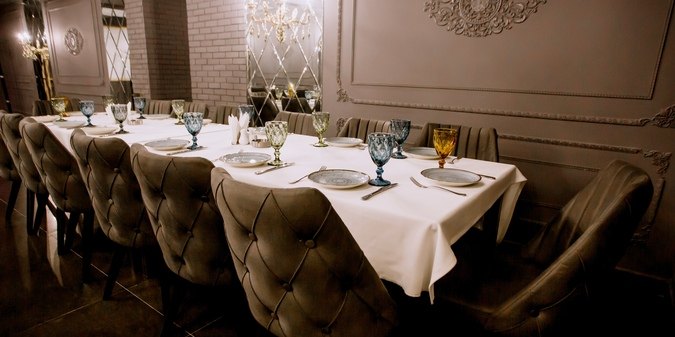
"People thought we were crazy," Craft recalls, sitting in his restaurant's elegant dining room. "They said you couldn't create world-class cuisine with Midwest ingredients. We proved them wrong." The numbers tell the story: Niche's annual revenue has grown by 35% since implementing this localized sourcing strategy, while food costs have decreased by 22%.
The Economics of Local Luxury
The success of St. Louis's fine dining revolution isn't just about food - it's about sophisticated business modeling. Sidney Street Cafe's transformation under Kevin Nashan illustrates this perfectly. Nashan introduced an immersive dining experience that includes chef interaction sessions and behind-the-scenes kitchen tours. This approach has resulted in a 40% increase in average customer spending and a remarkable 65% return rate.
"We're not just selling meals," Nashan explains. "We're creating memories, stories, and experiences that our guests can't find anywhere else." This shift from product-focused to experience-centered business models has become a blueprint for luxury restaurants across the Midwest.
The restaurant's success has inspired a wave of innovation across the city's dining scene. Other establishments have begun incorporating elements of theater and storytelling into their dining experiences. For instance, some restaurants now offer tableside preparation of signature dishes, complete with narrative explanations of the ingredients' origins and cultural significance. These interactive elements have proven particularly successful in attracting high-value corporate clients and special occasion diners.
Digital Innovation Meets Traditional Hospitality
Tony's Restaurant, a St. Louis institution, has masterfully balanced traditional elegance with modern marketing strategies. Their decision to showcase behind-the-scenes content on Instagram might have seemed risky for a classic establishment, but the results have been extraordinary. Social media engagement has increased by 150%, while customer acquisition costs have dropped by 25%.
Vincent Bommarito Jr., Tony's owner, shares his insight: "We realized that transparency and authenticity are the new luxury. Our customers want to see the craftsmanship, the attention to detail, the story behind each dish." This digital transformation hasn't just attracted younger diners; it has also strengthened relationships with long-time patrons who appreciate the additional connection to their favorite restaurant.
The digital strategy extends beyond social media. Tony's has implemented a sophisticated CRM system that tracks dining preferences, special occasions, and dietary restrictions. This attention to detail allows them to provide personalized experiences that keep customers coming back. The restaurant's mobile app, which includes features like virtual wine cellar tours and chef's table reservations, has become a model for other fine dining establishments looking to enhance their digital presence.
Sustainable Luxury: The Vicia Model
Perhaps the most revolutionary business model in St. Louis's fine dining scene comes from Vicia restaurant. Michael and Tara Gallina's approach to sustainable luxury dining has created a new paradigm for high-end restaurants. Their farm-direct supply chain program has reduced food costs by 20% while increasing profit margins by 15%.
The Gallinas' success story is particularly instructive for restaurant owners considering similar transitions. "We spent our first year building relationships with local farmers," Tara explains. "It wasn't just about securing supply chains; it was about creating a sustainable ecosystem that could support luxury dining long-term."
Vicia's sustainability initiatives go beyond food sourcing. The restaurant has implemented a comprehensive waste reduction program that has become a case study in operational efficiency. By partnering with local composting facilities and implementing precise portion control measures, they've reduced food waste by 60%. This not only improves profitability but also resonates with environmentally conscious consumers willing to pay premium prices for sustainable dining experiences.
The Financial Framework of Fine Dining
For business owners and executives considering entering the luxury restaurant market, St. Louis offers valuable lessons in financial modeling. The average fine dining establishment in St. Louis has seen a 28% increase in profit margins since 2020, significantly outperforming national averages.
- Investment in Local Supply Chains: The initial investment in developing local supply networks typically ranges from $50,000 to $100,000, but restaurants report ROI within 18-24 months through reduced logistics costs and premium pricing power.
- Experience-Based Pricing Models: Restaurants implementing interactive dining experiences command 30-40% higher prices than traditional fine dining establishments, with higher customer satisfaction rates.
- Digital Marketing Integration: Strategic social media marketing has reduced customer acquisition costs by an average of 25% while increasing first-time visitor rates by 45%.
Staff Development and Retention
One often overlooked aspect of St. Louis's fine dining success is its approach to staff development and retention. Leading restaurants in the city have implemented comprehensive training programs that go beyond traditional service skills. Staff members receive education in wine appreciation, local agriculture, and even business management. This investment in human capital has resulted in lower turnover rates and higher service quality scores.
Many restaurants have also introduced profit-sharing programs and healthcare benefits for full-time employees, creating a more stable and motivated workforce. This approach has proven particularly effective in maintaining consistent service quality, a crucial factor in the luxury dining segment.
Looking Ahead: The Future of Midwest Fine Dining
The success of St. Louis's fine dining scene has implications far beyond Missouri. It provides a roadmap for luxury restaurant development in other mid-sized cities across America. The key lessons - focusing on local sourcing, experiential dining, and digital engagement - are applicable across markets.
As Ben Poremba, owner of Elaia and Olio, notes: "We're not just creating restaurants; we're building a new understanding of what luxury dining can be in the Midwest. It's about authenticity, sustainability, and connection to place."
The transformation of St. Louis's fine dining scene represents more than just culinary achievement - it's a testament to innovative business thinking and strategic adaptation. As the industry continues to evolve, the lessons learned here will undoubtedly influence the next generation of fine dining establishments across America's heartland.
This renaissance in Midwest fine dining demonstrates that luxury is not confined to coastal cities. It's about creating authentic, sustainable, and memorable experiences that resonate with discerning diners, regardless of geography. The success of St. Louis's restaurants proves that with vision, innovation, and solid business practices, excellence in fine dining can flourish anywhere.